idioma
  English
Asegurar un gabinete metálico de doble puerta presenta un conjunto de desafíos diferentes a los de bloquear una unidad de una sola puerta. Con dos puertas que deben cerrarse al ras una contra la otra y abrirse de forma independiente o en conjunto, los herrajes de bloqueo deben tener en cuenta la alineación, la superposición de las puertas, la rigidez estructural y la necesidad de un acoplamiento confiable en ambos paneles. Elegir lo correcto Cerraduras metálicas para armarios de puertas dobles. significa comprender los distintos tipos de cerraduras disponibles, las clasificaciones de seguridad que importan y los requisitos de instalación que determinan si una cerradura funciona según lo previsto en condiciones del mundo real.
Por qué los gabinetes de dos puertas requieren hardware de bloqueo especializado
Una cerradura de gabinete de una sola puerta ancla un panel a un marco fijo. Un gabinete de doble puerta introduce una interfaz móvil: una puerta normalmente sirve como puerta activa principal y la otra como puerta secundaria o pasiva. La puerta pasiva generalmente se sujeta al marco del gabinete en la parte superior e inferior usando pernos al ras o pernos de disparo, mientras que la puerta activa se cierra contra el borde de la puerta pasiva usando una cerradura o pestillo montado a media altura o en ambas puertas simultáneamente.
Si el hardware de bloqueo no aborda correctamente esta relación, el resultado es un gabinete que se puede abrir a la fuerza desviando la puerta pasiva hacia adentro, evitando incluso una cerradura de alta calidad en el panel activo. Por lo tanto, los sistemas eficaces de cierre de puertas dobles deben asegurar ambas puertas como una unidad coordinada, no simplemente cerrar una puerta de forma aislada.
La construcción de gabinetes metálicos añade más exigencias. Los revestimientos de puertas de acero y aluminio son más difíciles de perforar y cortar que los de madera, pero también más difíciles de trabajar durante la instalación. Las cerraduras deben ser compatibles con el grosor de la puerta, el material del panel y el acabado de la superficie, y no deben crear concentraciones de tensión que debiliten el panel con el tiempo debido a vibraciones o uso repetido.
Tipos de cerraduras de gabinetes de metal adecuadas para puertas dobles
Cerraduras de leva con mecanismos de barra transversal o barra de tiro
La solución de bloqueo más utilizada para gabinetes metálicos de dos puertas combina una cerradura de leva con una barra de tiro horizontal o una barra transversal que se extiende a lo ancho de ambas puertas. Cuando se gira la llave, la leva gira y acciona la barra de tiro para extender los puntos de bloqueo simultáneamente hacia los marcos de la puerta izquierda y derecha o hacia el borde de la puerta pasiva. Este diseño de punto de operación único bloquea ambas puertas con un solo giro de llave, lo que simplifica su funcionamiento y asegura mecánicamente todo el ancho de la puerta.
Las cerraduras de leva con barra de tiro están disponibles en una variedad de longitudes de cilindro para adaptarse a diferentes espesores de puerta, generalmente de 16 mm a 35 mm, y aceptan núcleos de cilindro intercambiables para sistemas de llaves iguales o de llave maestra. La barra de tiro suele ser de acero con un acabado de zinc o cromo para resistir la corrosión. En gabinetes industriales y comerciales (almacenamiento de herramientas, gabinetes eléctricos, bastidores de servidores), este tipo de cerradura es efectivamente el estándar de la industria para aplicaciones de doble puerta.
Sistemas de bloqueo de tres puntos
El bloqueo de tres puntos (también llamado bloqueo multipunto) amplía el principio del sistema de barra de tiro agregando pernos de bloqueo verticales en la parte superior e inferior de la puerta activa, además del pestillo o perno horizontal a media altura. Una sola manija o operación con llave acciona los tres puntos de bloqueo simultáneamente a través de un mecanismo de varilla interna oculto dentro del panel de la puerta.
Para los gabinetes metálicos de doble puerta, las cerraduras de tres puntos aumentan dramáticamente la resistencia a la entrada forzada porque un intruso necesitaría anular tres cerrojos separados en lugar de uno. También mejoran la rigidez de la puerta, evitando la curvatura o flexión que permite anular una cerradura de un solo punto aprovechando las esquinas libres de un panel. Las cerraduras de tres puntos son particularmente apropiadas para gabinetes de salas de servidores, almacenamiento seguro de sustancias controladas, casilleros para evidencia y cualquier gabinete de doble puerta que deba cumplir con estándares más altos de seguridad o cumplimiento.
Mangos de paleta con cerraduras integradas
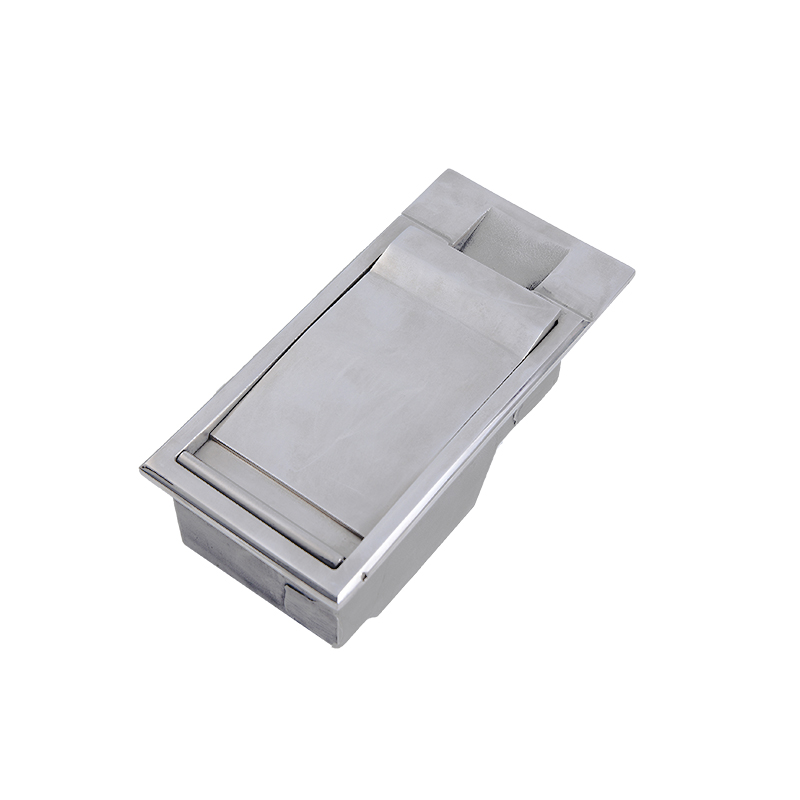
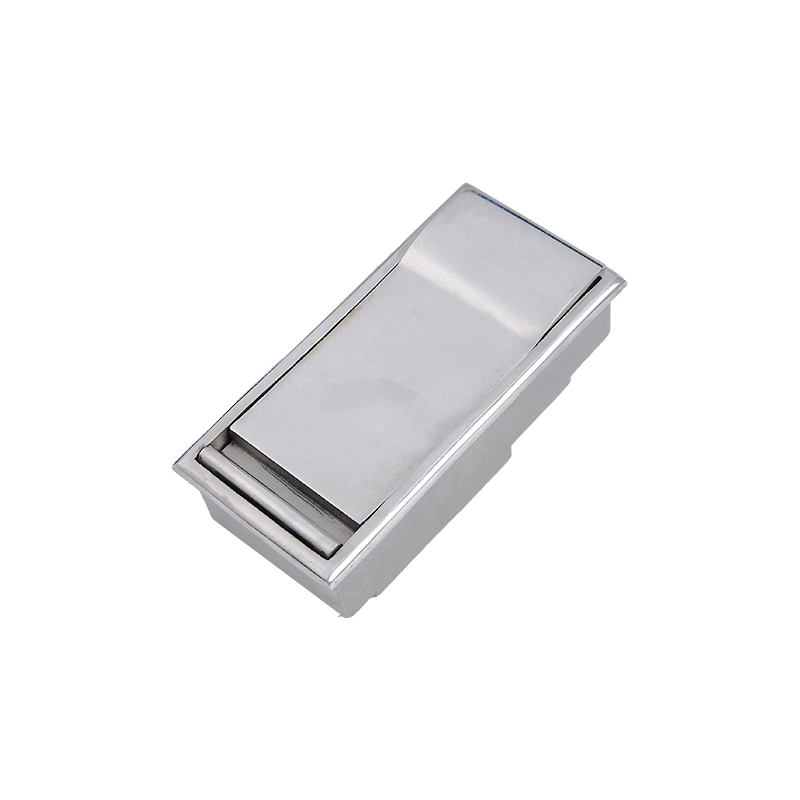
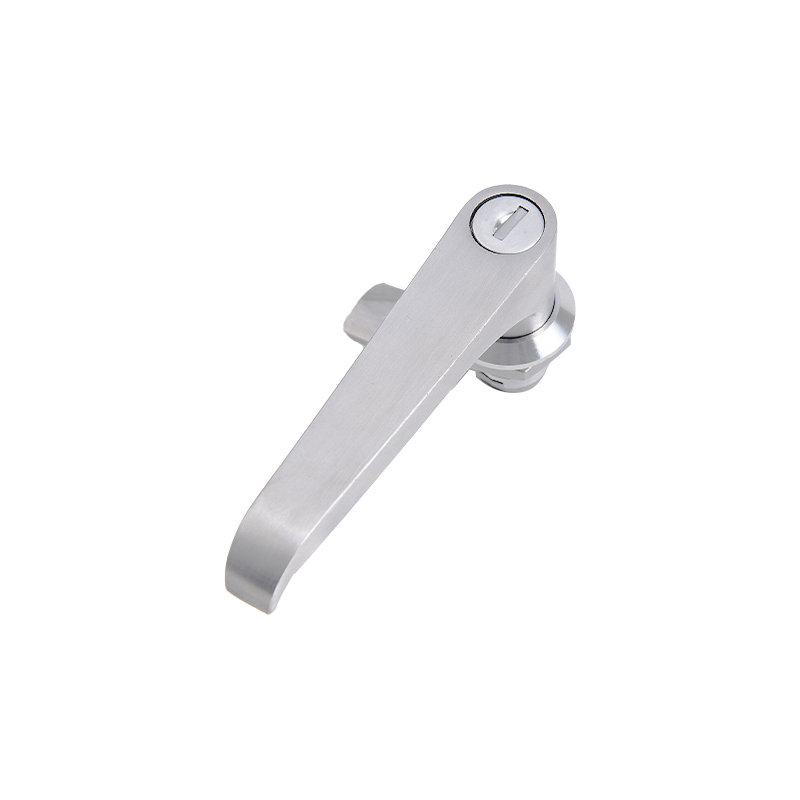
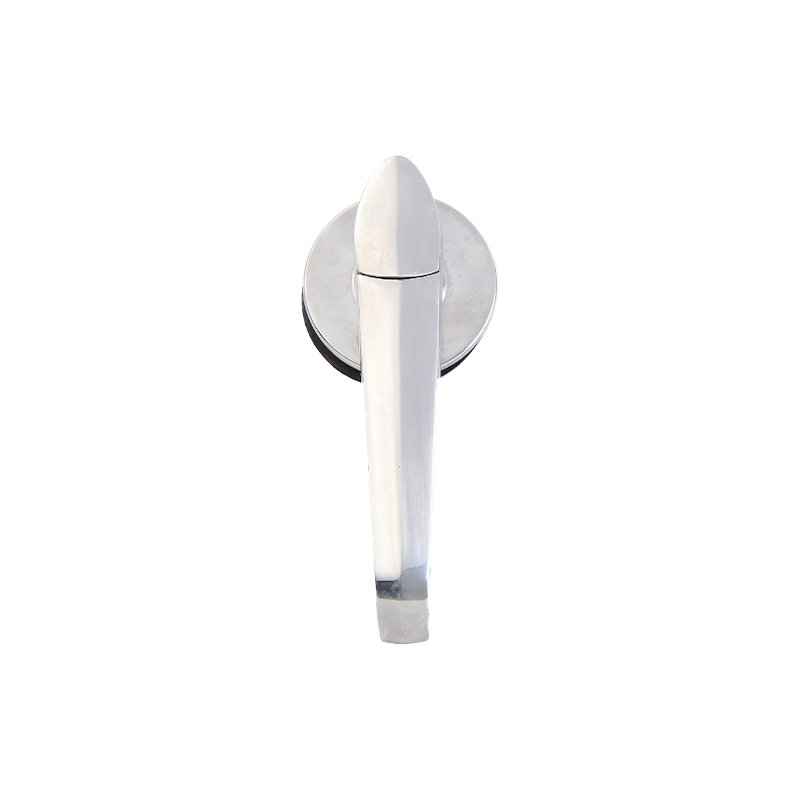
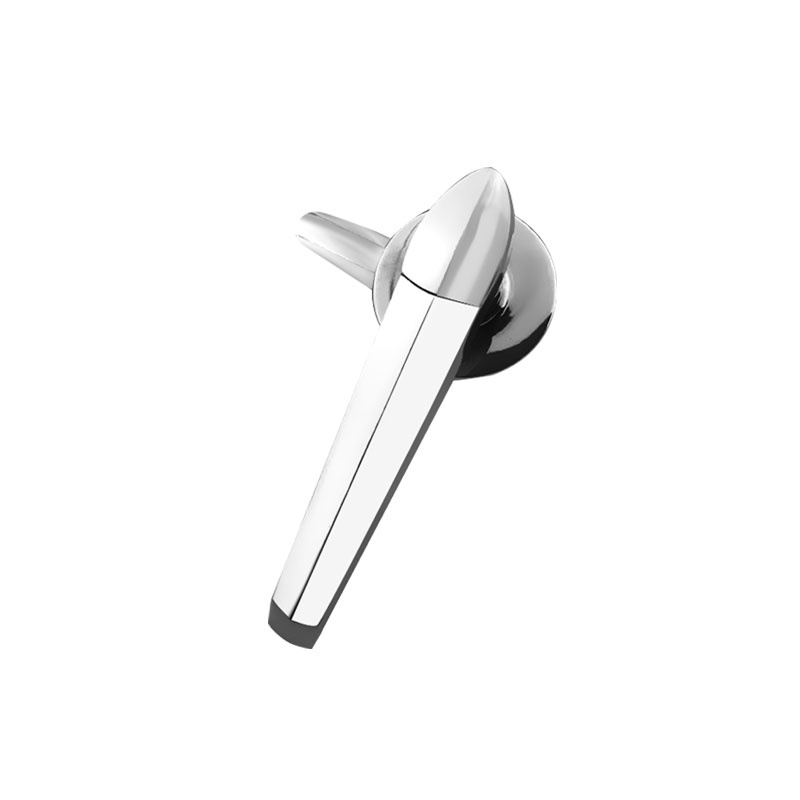
Cerraduras de manija de paleta combine un pestillo de compresión, que tira de la puerta firmemente contra su junta o sello del marco cuando se presiona y gira la manija, con un cilindro con llave que evita el funcionamiento no autorizado de la manija. Son extremadamente comunes en recintos industriales, gabinetes de distribución eléctrica y carcasas de equipos para exteriores donde se requiere simultáneamente sellado contra la intemperie y control de acceso.
Para aplicaciones de puertas dobles, las cerraduras con manija de paleta generalmente se instalan en la puerta activa, mientras que la puerta pasiva se asegura de forma independiente con pernos al ras en la parte superior e inferior. La manija de paleta proporciona un mecanismo de cierre positivo que también aplica presión de sujeción en toda la altura de la puerta cuando se usa con la geometría de leva adecuada, mejorando tanto la seguridad como la protección contra el ingreso ambiental. Las manijas tipo paleta de acero inoxidable con sellos con clasificación IP65 o IP66 están especificadas para gabinetes metálicos para exteriores expuestos a lluvia, polvo y atmósferas corrosivas.
Cerraduras con cerrojo y grapa
Para gabinetes metálicos de doble puerta donde ambas puertas se abren y no hay una puerta pasiva de borde fijo, una solución práctica es una disposición de cerrojo y grapas montada centralmente donde se unen las dos puertas. Una placa de cerrojo de acero reforzado se monta en una puerta y una grapa en la otra; cuando las puertas están cerradas, el cerrojo se pliega sobre la grapa y se pasa un candado (o un candado de disco para mayor seguridad) para asegurar ambas puertas juntas.
La calidad del hardware del cerrojo es fundamental. Los cerrojos delgados y mal construidos se pueden quitar con un destornillador o una palanca, independientemente de la calidad del candado. Los cerrojos de alta resistencia fabricados con acero endurecido con fijaciones ocultas (de modo que los tornillos de montaje quedan ocultos cuando el cerrojo está cerrado) y un diseño de tolerancia estrecha que no deja espacio para una mordaza cortadora de pernos son la opción adecuada para aplicaciones de seguridad de gabinetes metálicos. Los cerrojos de seguridad que cumplen con estándares reconocidos como Sold Secure o tienen una calificación de grado CEN brindan resistencia a los ataques verificada de forma independiente.
Cerraduras electrónicas y de teclado
Los sistemas de bloqueo electrónico para gabinetes metálicos de doble puerta reemplazan el cilindro de llave mecánica con un teclado, un lector RFID, un escáner biométrico o un módulo de control de acceso conectado a la red. El perno de bloqueo o el pestillo de solenoide se acciona eléctricamente tras una verificación de credenciales exitosa y se puede integrar con registros de acceso, monitoreo remoto y sistemas de alarma.
Las cerraduras electrónicas se especifican cada vez más para gabinetes de servidores de centros de datos, almacenamiento farmacéutico, gestión de evidencia y cualquier entorno donde las regulaciones o políticas exigen seguimientos de auditoría de eventos de acceso. Para gabinetes metálicos de doble puerta, los sistemas de cerradura electrónica pueden controlar ambas puertas a través de un único evento de credencial, con cerrojos motorizados en la puerta pasiva y un cerrojo eléctrico o cerrojo solenoide en la puerta activa, todo accionado desde un controlador.
La confiabilidad del suministro de energía es una consideración crítica. Los sistemas respaldados por baterías o de doble suministro garantizan que la pérdida de energía eléctrica no deje el gabinete bloqueado contra usuarios autorizados o, por el contrario, se abra en un momento inoportuno. La mayoría de las cerraduras electrónicas de alta seguridad para gabinetes se bloquean de forma predeterminada en caso de corte de energía y proporcionan un cilindro de anulación mecánica para acceso de emergencia.
Cerraduras de compresión y cerraduras con manija en T
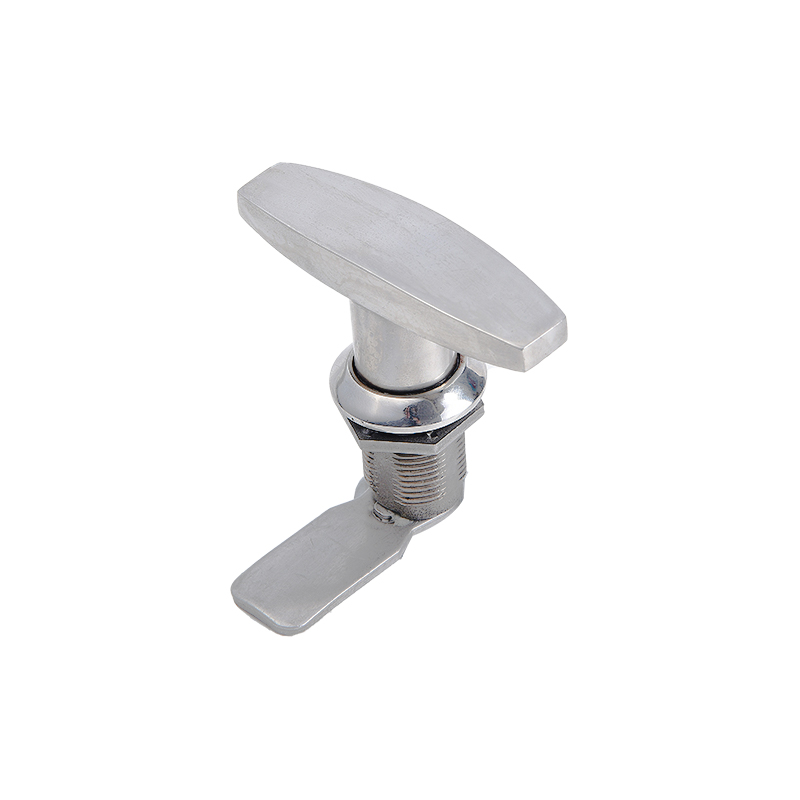
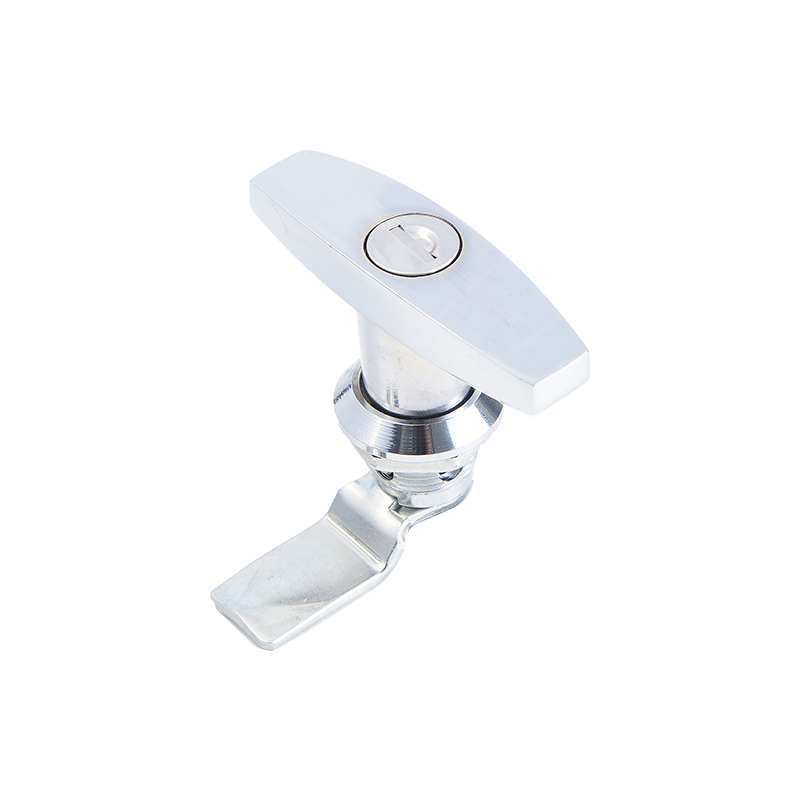
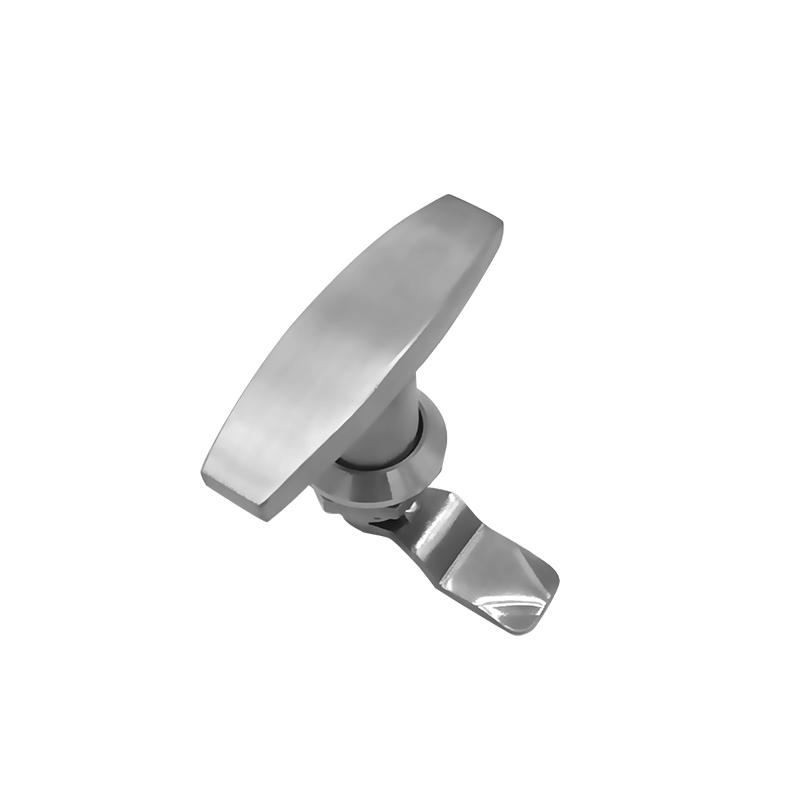
Las cerraduras de compresión utilizan una leva o un mecanismo excéntrico que aprieta la puerta firmemente contra su marco mientras se opera la cerradura, proporcionando un sello positivo además de seguridad. Las cerraduras con manija en T utilizan una manija empotrada que gira para desenganchar un pestillo y abrir la puerta con un solo movimiento ergonómico. Ambos tipos se utilizan ampliamente en gabinetes metálicos para exteriores, tableros de distribución y gabinetes de servicios públicos donde se requiere un mecanismo de cierre automático combinado con seguridad con llave.
En configuraciones de puerta doble, las cerraduras con manija en T o de compresión en la puerta activa se combinan con pernos de disparo o pernos al ras en la puerta pasiva. Algunos fabricantes ofrecen juegos de herrajes coordinados en los que la manija en T de la puerta activa, los pernos de la puerta pasiva y las bielas están diseñados como un sistema combinado, lo que simplifica la instalación y garantiza la interacción mecánica correcta entre los dos paneles.
Consideraciones clave al seleccionar cerraduras para gabinetes metálicos de dos puertas
Grado de seguridad y certificación independiente
La seguridad de las cerraduras en Europa se clasifica según la norma EN 1303 para el rendimiento del cilindro mecánico y EN 12209 para cerraduras de embutir, con grados del 1 (básico) al 6 (alta seguridad). Para candados utilizados con cerrojos, EN 12320 proporciona una clasificación equivalente. En el Reino Unido, las clasificaciones Sold Secure (Bronce, Plata, Diamante) y la especificación preferida Secured by Design Police proporcionan resultados de pruebas independientes de resistencia a ataques. En los EE. UU., la clasificación ANSI/BHMA (Grado 1, 2 o 3) es el estándar de referencia común.
Especificar un grado de bloqueo certificado garantiza que el hardware haya sido probado de forma independiente contra perforaciones, golpes, golpes y ataques físicos, no solo calificado por el fabricante. Para gabinetes metálicos de doble puerta comerciales e institucionales, la especificación mínima apropiada es Grado 1 (ANSI) o Grado 4 y superior (EN).
Sistemas de llaves: llave maestra, llaves iguales y llaves diferentes
En instalaciones con múltiples gabinetes metálicos, la disposición de las llaves afecta profundamente la eficiencia operativa y la seguridad. Los cilindros con llaves iguales permiten que una llave abra varios gabinetes, lo que resulta conveniente para el personal de mantenimiento, pero crea una vulnerabilidad significativa si una llave se pierde o se duplica. Los cilindros con llaves diferentes (cada gabinete tiene una llave única) maximizan la seguridad pero multiplican la carga de administración de llaves. Los sistemas de llave maestra brindan una jerarquía en la que las llaves individuales abren solo gabinetes designados, mientras que una llave maestra abre todos, lo que brinda seguridad y conveniencia en instalaciones grandes.
Muchos sistemas de cerradura de leva y barra de tiro aceptan cilindros de enchufe intercambiables, lo que hace que sea sencillo cambiar las llaves de un gabinete o cambiar la disposición de las llaves sin reemplazar todo el cuerpo de la cerradura, una consideración importante para la administración de instalaciones durante la vida operativa del gabinete.
Compatibilidad de materiales y resistencia a la corrosión
Las cerraduras metálicas para gabinetes deben ser compatibles con el material de la puerta y el entorno operativo. Los gabinetes de acero para interiores en ambientes secos pueden usar herrajes de acero cromado o de aleación de zinc sin preocupaciones. Los recintos exteriores, los entornos marinos, las instalaciones de procesamiento de alimentos y las aplicaciones de almacenamiento de productos químicos exigen acero inoxidable (grado 304 o 316) o herrajes de zinc fundido a presión de alta resistencia con tratamientos de superficie adecuados. La corrosión electrolítica entre metales diferentes, como el cuerpo de una cerradura de zinc montada en una puerta de aluminio, debe controlarse con arandelas aislantes o selladores adecuados para evitar la degradación tanto de la cerradura como del panel del gabinete.
Espesor y superposición de la puerta
Los gabinetes metálicos de doble puerta varían significativamente en el grosor del panel de la puerta (normalmente de acero de 1,2 mm a 3 mm) y en la superposición entre los bordes de la puerta activa y pasiva. Los cuerpos de las cerraduras y las longitudes de las levas deben seleccionarse para adaptarse al espesor real de la puerta; una leva demasiado corta no enganchará correctamente el retén y una demasiado larga aplicará fuerza excesiva al panel. Para los sistemas de barra de tiro, la longitud de la barra de tiro debe coincidir con el ancho de la puerta y el diámetro de la varilla debe ser suficiente para resistir la deflexión bajo ataque.
Calidad de instalación
La cerradura más segura del mercado fallará si está mal instalada. Los tornillos de fijación deben encajar en el material sólido; se recomiendan placas de refuerzo de puertas donde la piel metálica es delgada. La alineación del retén o del cerradero debe ser precisa; una cerradura mal alineada es más difícil de operar y más vulnerable a ser forzada porque el cerrojo está bajo tensión lateral en lugar de asentado directamente. Para los sistemas de barra de tiro y de tres puntos, las bielas deben ajustarse correctamente para garantizar el acoplamiento simultáneo de todos los puntos de bloqueo sin atascos ni contragolpes.
Aplicaciones y casos de uso de la industria
Almacenamiento de piezas y herramientas industriales
Los gabinetes de herramientas de acero de alta resistencia y las unidades de almacenamiento de piezas con puertas dobles son elementos estándar en entornos de fabricación, automoción y mantenimiento. Las cerraduras de leva de barra de tiro y las cerraduras de manija de paleta son los herrajes de bloqueo más comunes en estos entornos y brindan seguridad confiable contra robos oportunistas al mismo tiempo que resisten la vibración, el impacto y la suciedad típicos de los talleres industriales. Muchos fabricantes ofrecen sistemas con llaves iguales para que una sola llave de técnico abra todos los gabinetes asignados a una celda de trabajo.
Gabinetes eléctricos y de red
Los tableros de distribución eléctrica, los gabinetes de aparamenta y los gabinetes de equipos de red con puertas dobles deben equilibrar la seguridad contra el acceso no autorizado con la necesidad de una entrada rápida por parte de ingenieros autorizados. Las cerraduras con manija en T de cuarto de vuelta con anulación de llave se usan ampliamente, a menudo con sellos con clasificación IP para instalaciones en exteriores. Los gabinetes en rack de servidores en los centros de datos utilizan cada vez más cerraduras electrónicas con funcionalidad de seguimiento de auditoría para satisfacer los marcos de cumplimiento de seguridad como ISO 27001 y SOC 2.
Almacenamiento médico y farmacéutico
Los gabinetes de almacenamiento de medicamentos controlados y las unidades de suministros médicos están sujetos a requisitos reglamentarios que exigen grados de bloqueo y registros de acceso específicos. Los gabinetes metálicos de doble puerta en este sector suelen utilizar cerrojos con llave de alta calidad, control de acceso electrónico con pistas de auditoría o sistemas de cerraduras de combinación. El bloqueo de tres puntos es común en el almacenamiento controlado de medicamentos para cumplir con los estándares de seguridad física exigidos por las autoridades sanitarias.
Almacenamiento seguro de pruebas y registros
Los casilleros de pruebas policiales, los gabinetes de registros legales y las unidades de almacenamiento seguras del gobierno utilizan gabinetes metálicos de doble puerta con cerraduras de cilindro de alta seguridad o control de acceso electrónico. El sellado a prueba de manipulaciones, los programas de control de claves que limitan la duplicación de claves y la integración con los sistemas de gestión de seguridad de las instalaciones son requisitos estándar en estas aplicaciones.
Resumen
Seleccionar la cerradura de gabinete metálica adecuada para puertas dobles requiere una comprensión clara de cómo la configuración de dos puertas crea demandas de seguridad únicas, específicamente la necesidad de asegurar ambos paneles como un sistema coordinado en lugar de bloquear solo la puerta activa. Las cerraduras de leva con barra de tiro, los sistemas de bloqueo de tres puntos, las cerraduras con manija de paleta, el control de acceso electrónico y las combinaciones de cerrojo y candado de calidad abordan estas demandas de manera diferente, y la mejor opción depende del grado de seguridad requerido, el entorno operativo, el sistema de llave necesario y la relación mecánica específica entre los dos paneles de la puerta. Hacer coincidir el tipo de cerradura con un requisito de seguridad claramente definido, especificar hardware certificado y garantizar una instalación correcta son los tres pilares de una seguridad eficaz en un gabinete metálico de doble puerta.